Single pair data
cable is a cable that is generally used for data, instrumentation and audio use
which are situations where protection is required against electrical
disturbances. This is a type of wiring
cable that has two conductors twisted together to form one cord and the purpose
for this is to eliminate any EMI or electro-magnetic interference from other
external sources. Such interruptions may
include electro-magnetic radiation emissions from other unshielded pair cables or
UTP and other cross talk noises between pairs that are next to each other.
The single pair
cable was invented by the famous scientist Alexander Graham Bell. In the era of 1880’s, telephones utilized
telegraph cables that were also called single wire return circuits to transmit
energy. Later, electrical power
distributors received more attention though they were inadequate. Electrical power cables shared routes with
other wires on utility poles. The interference
was much too prominent especially with the growth of electrical power utility.
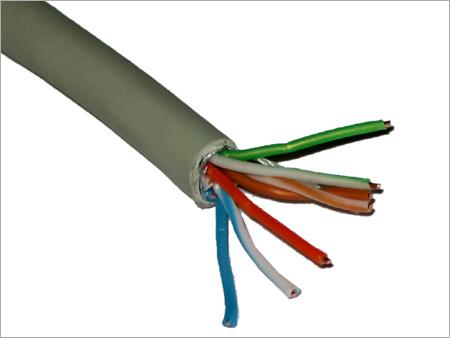
A single pair
data cable, is also referred to as a twisted pair cable, was invented to reduce
interference. The fore-runner of this
cable was the wire transposition which was a mechanism that saw wires interchanging
position with alternating poles. Through
this method of power transmission, the concept of a twisted cable was born. By the 1990’s, the whole of United States of
America was using telephone lines that were either twisted pair cabled or open
wire having transposition to protect them against interference.
Currently, many
millions of miles of single pair data cable lines all over the world are mostly
outdoor landline cables and they typically belong to telephone companies. They are used for voice transmission. When the pair of data cable is balanced
evenly, the 2 wires in the cable transmit equal and opposing signals. The eventual destination will easily become
aware of the differences between the two signals.
